Written by Simone Usselman-Tod
Creativity isn’t necessary to reset the nervous system, but it is one of the most effective ways to do so.
There’s a common belief that creativity is something we do after everything else is taken care of. Once the work is done. Once things settle down. Once there’s more time.
But what I see, again and again, is that for many people, things don’t settle down. The pace stays high, the mind stays active and the nervous system stays on.
Over time, that constant state of activation begins to show up as:
-
overthinking
-
tension in the body
-
difficulty focusing
-
feeling behind, even when you’re doing a lot
From the outside, it can look like productivity. On the inside, it often feels like pressure.
When your nervous system is under stress, it shifts into a sympathetic state, often referred to as “fight-or-flight.” This is where your body prepares for action: heart rate increases, muscles tighten, and thinking becomes more focused, but also more reactive.
Resetting the system means helping it shift back into a parasympathetic state, sometimes called “rest-and-digest”, where the body can settle, recover, and restore balance.
While practices like breathing, meditation, or time in nature can support this shift, engaging in simple, non-judgmental creative processes offers something slightly different. Creativity gives the nervous system a way to regulate through the body, not just the mind.
Your Nervous System wasn’t designed to stay “on”. Your nervous system is meant to move between activation and settling, and between focus and restoration. But many high-functioning, responsible people get very good at staying in one mode: doing, thinking, managing, and pushing forward. While that can be effective short-term, it comes at a cost. Without moments of intentional down-regulation, the system doesn’t fully reset. It just keeps going, never having an opportunity to reset.
Why creativity helps and why it works so quickly. Creativity, especially simple, repetitive, hands-on creativity gives your nervous system something it often doesn’t get: a safe place to settle while still being engaged.
When you’re creating:
-
your attention shifts out of constant thinking
-
your body becomes more involved
-
your breath naturally slows
-
your system begins to regulate
This happens because repetitive, rhythmic movement and focused attention help calm the brain’s threat-detection system and support activation of the vagus nerve, which plays a key role in shifting the body into a more regulated state.
That means you are not shutting down and you are not zoning out. You are present, but without pressure. And this is where something begins to shift.
Creativity is a nervous system regulator. Creativity isn’t strictly necessary to reset the nervous system, but it is one of the most effective ways to do so. While practices like breathing, meditation, or time in nature can help the body settle, engaging in simple, non-judgmental creative processes offers something more direct. It allows the system to shift out of “fight-or-flight” and into a more regulated state without needing to think or analyze your way there.
Somatic Grounding: Creative activities like doodling, painting, or working with your hands bring your attention into the body. This is a bottom-up process, where sensory experience and movement signal safety to your system, without needing explanation.
Flow State: As you create, you may begin to notice a shift. Your mind quiets. Your focus narrows. Time feels different. This is often referred to as flow state, a space where stress hormones like cortisol begin to decrease, and the nervous system softens out of constant alertness.
Non-Verbal Processing: Not everything we carry can be put into words. Creative expression offers a way to release tension and emotion without needing to explain it. It gives your system space to move what’s been held gently, and often without effort.
Process Over Product: The regulating effect of creativity has very little to do with skill or outcome. It’s not about making something “good.” It’s about the repetitive, rhythmic, and intentional act of creating. That’s where the shift happens.
Creativity creates a bridge. Creativity bridges the gap between:
-
thinking and feeling
-
effort and ease
-
structure and flow
It allows your system to move out of over-effort and into something more sustainable. And it doesn’t require skill. It requires permission.
Permission to:
-
not get it right
-
not have a plan
-
not produce something “good”
Just a willingness to slow down, settle in, and allow something to emerge.
And there are other ways to support nervous system reset. If creativity doesn’t feel accessible in the moment, there are other supportive ways to help your system settle:
-
simple breathing practices
-
gentle movement like walking or stretching
-
quiet moments of mindfulness
-
time in nature
-
connection with others
Each of these can help bring the system back toward balance.
The benefits go beyond the moment. When the nervous system begins to settle, even slightly, you may notice:
-
clearer thinking
-
more spacious decision-making
-
less urgency and reactivity
-
a sense of “I can handle this” returning
From there, both flow and growth become more available.
You don’t have to force your way forward.
You begin to move with more clarity and steadiness.
Bringing this into practice. This is one of the reasons I’ve been creating more opportunities to explore creativity in a simple, grounded way. Not as an art class. Not as something to master. But as a way to reset, reconnect, and allow your nervous system to reorganize. When you slow down enough to create, you begin to notice how you think, how you respond, and how you move. From that awareness, change becomes much more accessible.
An invitation: If this resonates with you, and you feel the pull to step out of the constant “doing” for a few hours. I’m hosting a small, in-person gathering at our supportive retreat space in the country conveniently located 10 minutes from Hamilton, Dundas and Ancaster.
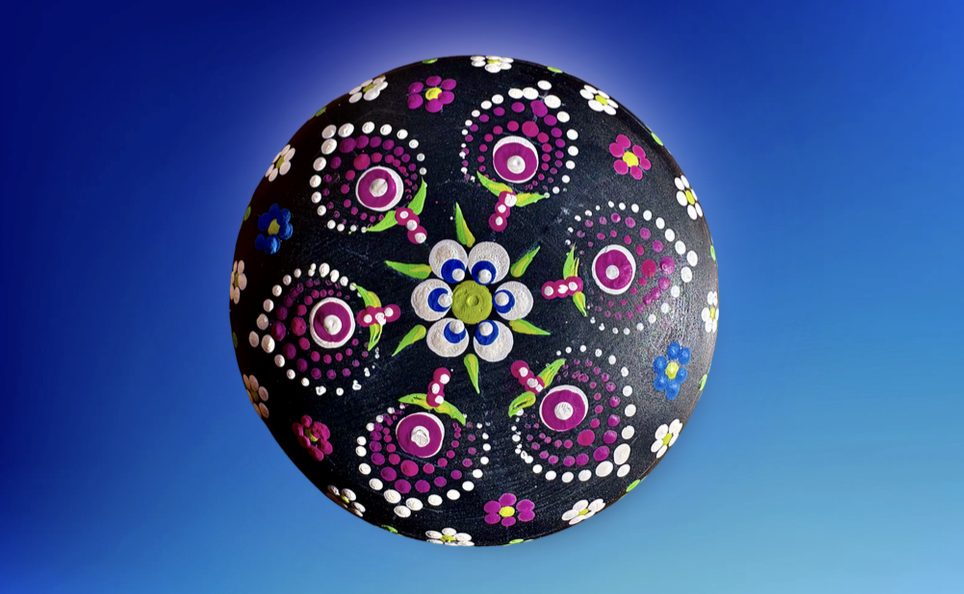
Nature-Inspired Tree Mandala Paint Party
Sunday, June 7 at 1 – 4 PM in Copetown (10 minutes west of Hamilton)
Register by claiming your ticket to confirm attendance: https://tinyurl.com/Tree-Mandala-Rock-Painting
Limit of 15 participants
This is a guided, relaxed experience where you will create your own tree mandala on stone using a simple dot painting technique. No experience needed. Just a willingness to explore, slow down, settle in, and allow something to emerge.
We would love to have you join us.
About Simone:

Simone Usselman-Tod is a Stress Mastery and Goal Accelerator Coach helping clients see clearly, think differently, and move forward with confidence. Through a neuroscience-informed approach and her Dynamic Visioning™ process, she blends nervous system regulation, strategic thinking, and practical action to support meaningful, lasting change. With over 30 years in healthcare and holistic practice, Simone helps clients build resilience, shift patterns, and create a life aligned with their values and vision.
Simone is the founder and contributes to the Wild About Wellness Community online where members passionate about holistic health and wellness come together to share information, educate and contribute for the purpose of learning and growing. You are invited to explore the site with a free 1-month membership. Get your 1-month free membership HERE. Register for our FREE monthly events HERE